“I bought a copy of Faulkner’s Light In August and went to the noisiest jazz café I could think of, reading my new book while listening to Ornette Coleman and Bud Powell and drinking my hot, thick, foul-tasting coffee. At five-thirty I closed my book, went outside, and ate a light supper. How many Sundays- how many hundreds of Sundays like this- lay ahead of me? “Quiet, peaceful, and lonely,” I said aloud to myself. On Sundays, I didn’t wind my spring.” Haruki Murakami, Norwegian Wood
2025.09.04
Indonesia plans to end its electric vehicle tariff exemption at the end of 2025.
• The tariff break boosted EV sales, especially for Chinese brands like BYD, but hurt local factory utilization.
• BYD now holds over 50% of Indonesia’s EV market, mainly through imports, while Japanese automakers lost market share.
• The government expects automakers to start local production by 2027, with BYD building a factory for 2026.
• Weak middle-class purchasing power and stagnant demand challenge the case for more local vehicle production.
This change will help Vinfast Indonesia with their factory is under construction and production is expected in 2026.
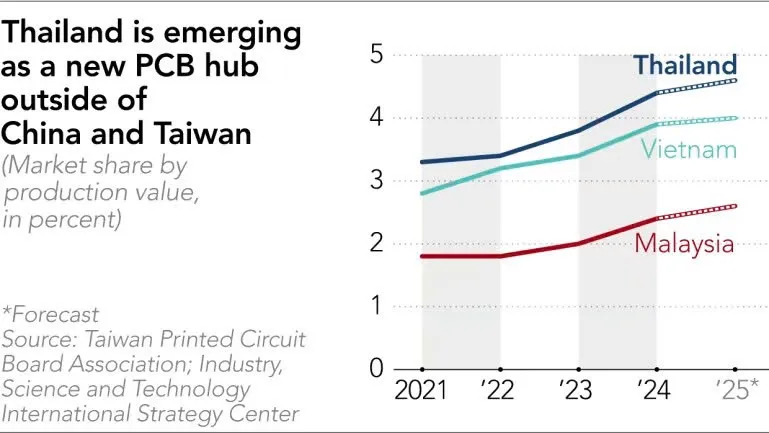
Thailand is rapidly becoming a major global hub for printed circuit board (PCB) manufacturing, driven by AI-related demand.
• Global tech companies and top PCB makers from China and Taiwan are investing heavily in Thailand to diversify supply chains away from China and Taiwan.
• AI applications are fueling fast expansion, while non-AI PCB makers remain cautious due to uncertain market demand.
• The influx of foreign companies is creating talent shortages, rising wages, and cultural challenges for local workers.
• Thailand’s PCB industry is young and still relies on imported materials and equipment, but production value is projected to grow quickly despite ongoing risks and competition.
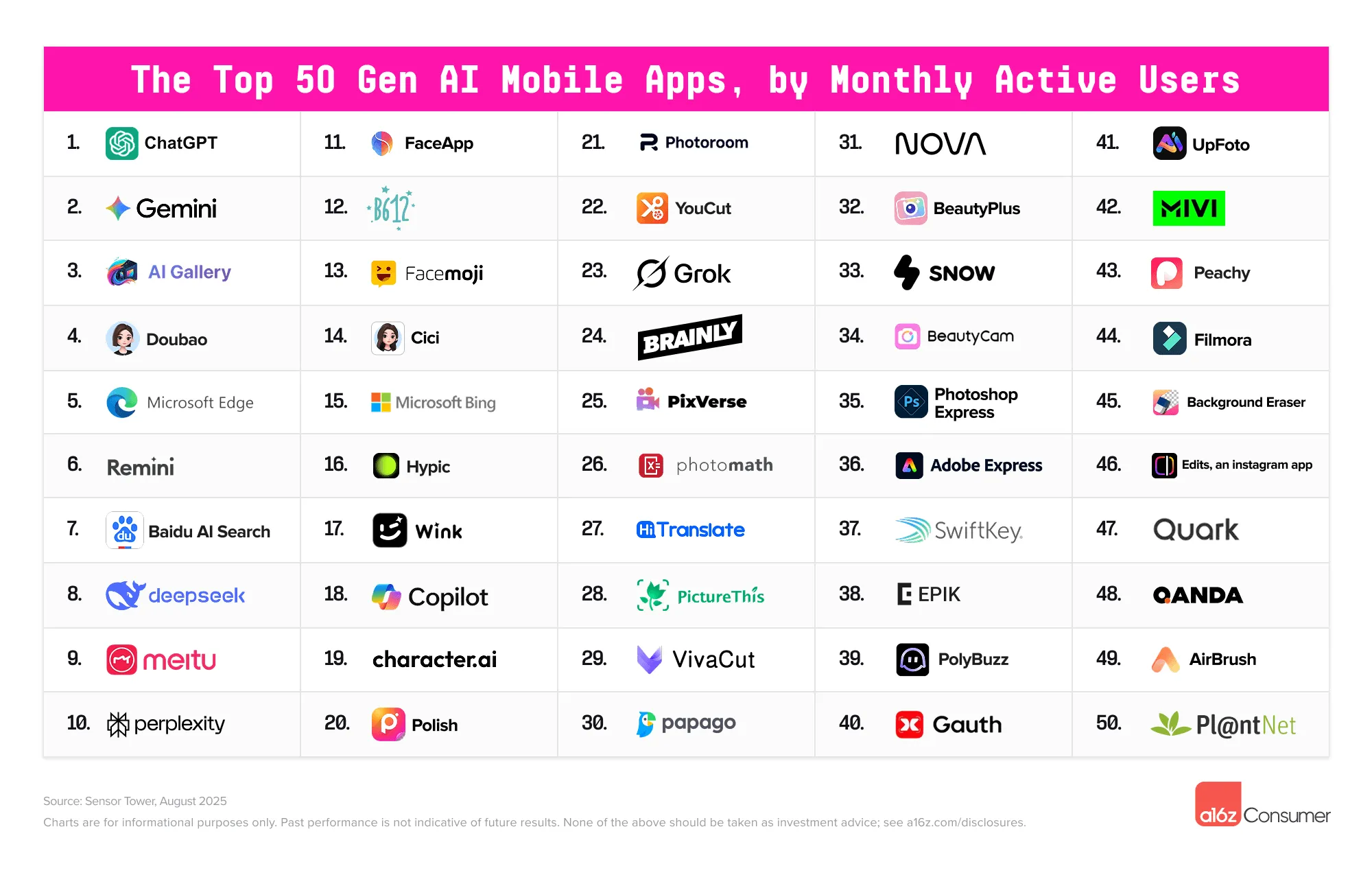
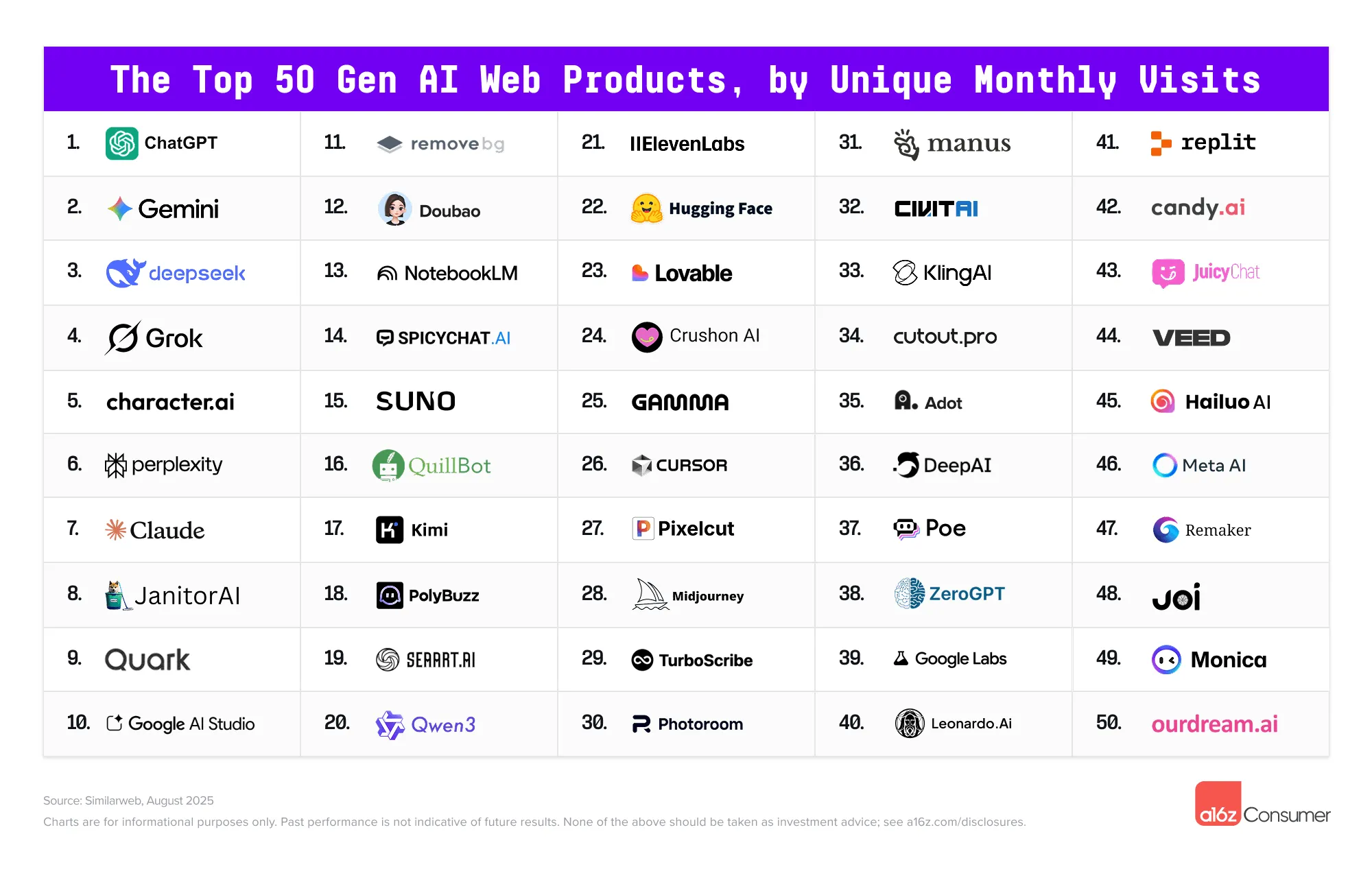
Andreessen Horowitz compiled a list of the top 50 generative AI apps for web and for mobile app. ChatGPT and Gemini topped both lists, but there were a ton of surprises and apps you may not even have heard of.
Perplexity launches Comet Plus, a $5/month subscription service that will share 80% of the revenue pool with participating publishers, addressing mounting pressure over unauthorized content use. The AI search startup faces lawsuits from Japanese publishers Nikkei and Asahi seeking damages and injunctions. Distribution is based on article views and AI citations, starting with a $42.5 million pool, and including revenue from other Perplexity services. The service will be exclusive to Perplexity’s Comet browser, aiming to attract publishers and compete with Google Chrome.
The Department of Homeland Security proposed tightening visa rules for foreign students, researchers, and press. Media I visas would drop from five years to maximum 240 days (90 days for Chinese nationals), with one extension allowed. Student F visas and researcher J visas would be cut from five years to four. The changes would affect 1.6 million students and thousands of media workers. The move aims to improve vetting and oversight, with Trump’s administration citing concerns about visa abuse and illegal immigration. Critics warn these restrictions could impact press freedom and deter international study and work in the U.S.