Articles
Interesting reads: articles, essays, and news clips I've come across.
-

 10 great craft spirit distilleries in Japan with tours and tastings asia.nikkei.com Experts pick Toyama's Saburomaru at No. 1 for its hands-on experience
 -

 The Age of Reading Is Over theatlantic.com Can civilization survive the postliterate era?
 -

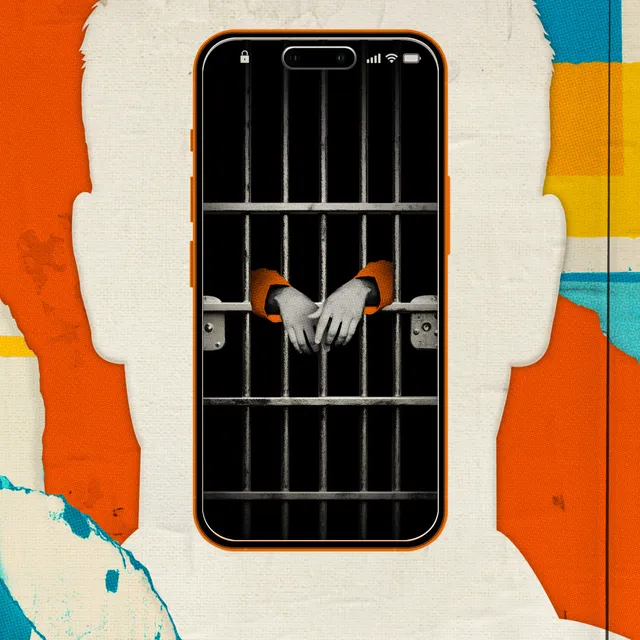 I Didn’t Realize How Addicted I Was to My Phone—Until I Went to Prison - WSJ wsj.com A former Cincinnati politician writes about the irony of his involuntary separation from his constantly chirping device
 -

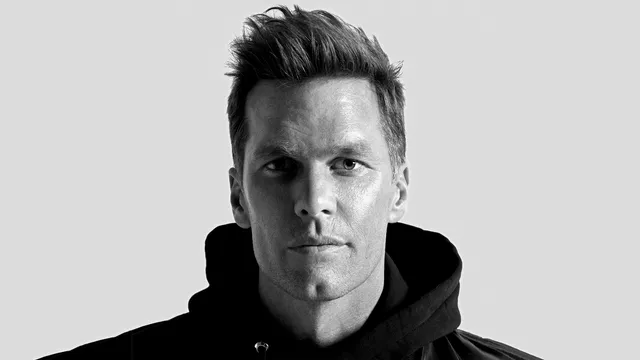 Tom Brady on the Art of Leading Teammates hbr.org When our society talks about leaders, we focus on formal roles, such as the CEO. This view undervalues the role of informal leaders—team members who influence outcomes by the tone they set, how they conduct themselves, and how they interact with their peers. Their job title doesn’t include the word “manager,” but they play an outsize role in how teams perform. In this article, NFL great Tom Brady and Nitin Nohria, of Harvard Business School, present a set of principles that people in any realm can apply to help teams successfully work together toward common goals.
 -

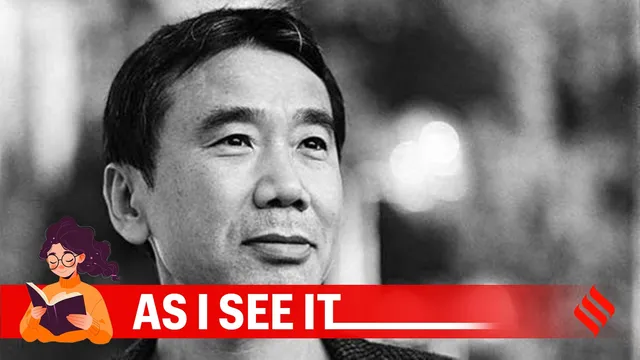 Why Haruki Murakami is the perennial almost Nobel Laureate indianexpress.com Murakami romanticises solitude, turns the mundane mystical, and remains the Nobel’s most faithful almost-winner.
 -

 Can Reading Make You Happier? newyorker.com After the First World War, traumatized soldiers were often prescribed a course of reading.
 -

 AI is getting better at writing. Humans must get better at editing economist.com The Economist investigates how artificial intelligence writing is improving and offers editing tips for refining AI-generated prose to make it more human-like.
 -

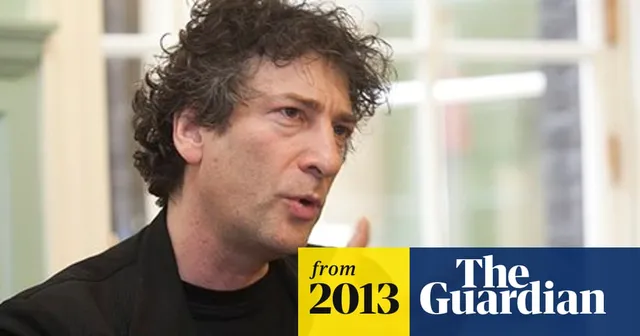 Neil Gaiman: Why our future depends on libraries, reading and daydreaming theguardian.com A lecture explaining why using our imaginations, and providing for others to use theirs, is an obligation for all citizens.
 -
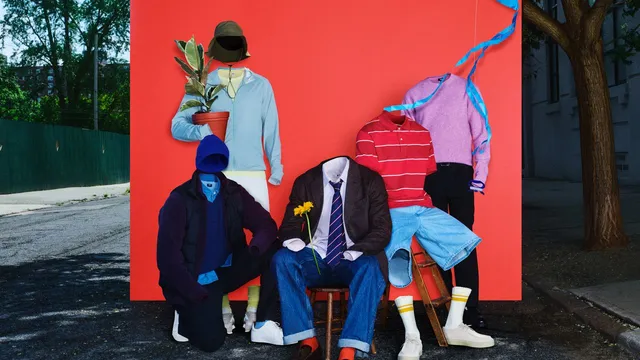 Inside Uniqlo’s Quest for Global Dominance newyorker.com The brand conceives of itself as a distribution system for utopian values as much as a clothing company. Can it become the world’s biggest clothing manufacturer?